


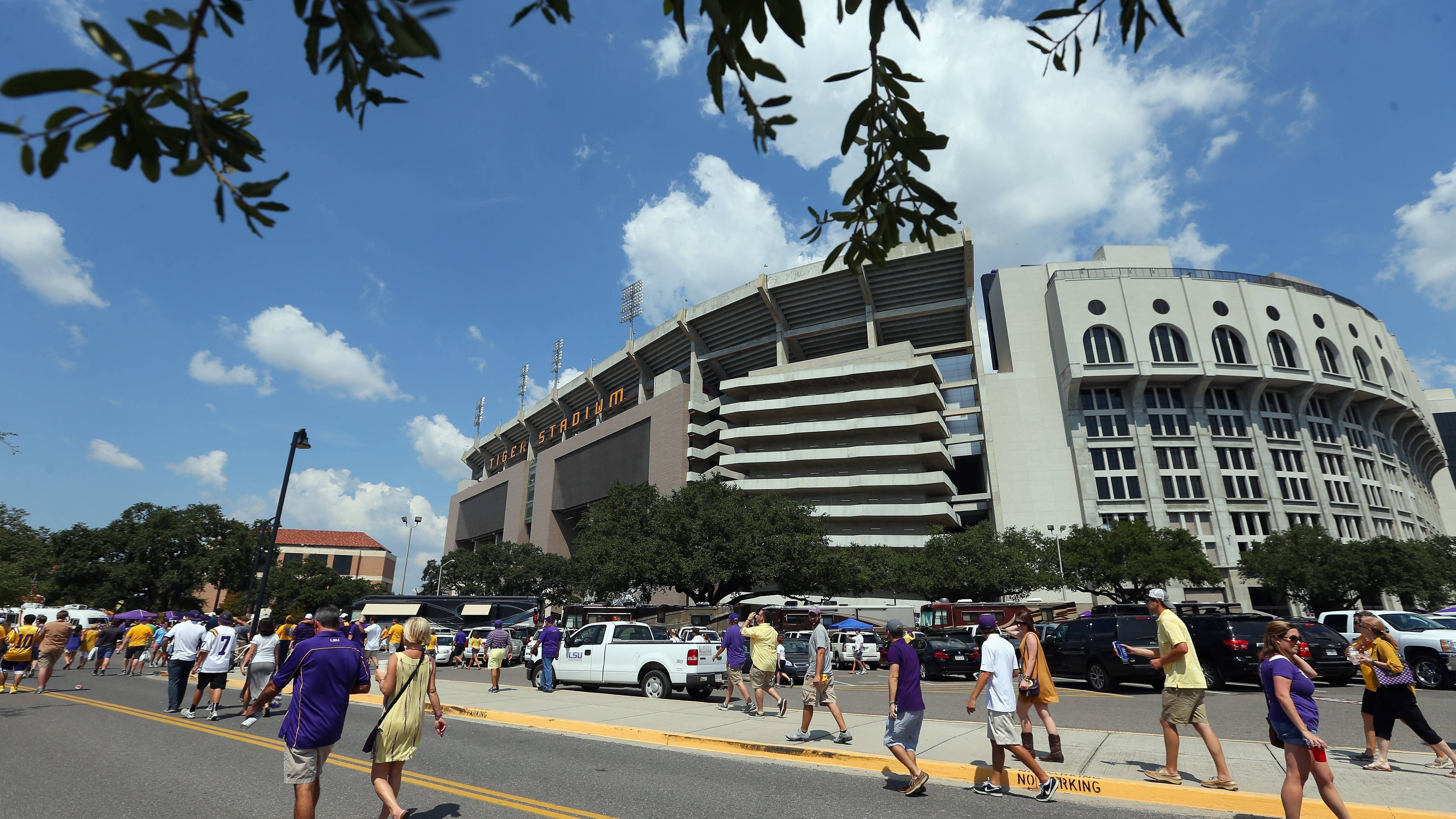
Louisiana’s Assistant State Health Officer Dr. Joe Kanter joined Newell for his recurring weekly segment Thursday morning to discuss the latest developments in the battle against COVID-19, preventative measures, and the search for effective treatments or even a vaccine. This week, there is an increasing amount of pressure on New Orleans city leaders to reopen more of the economy, and speculation abounds that the Saints might end up playing their next game in Tiger Stadium.
“Everyone’s watching the numbers and talking about the numbers - where are we today?” Newell began.
“For another week, we are doing okay, thankfully,” Kanter replied. “Percent positivity in the New Orleans region has gone down another tick, it was 2.3% last Wednesday, and yesterday it came down to 2.0% and New Orleans is all the way to 1.1%. Statewide we have 38 parishes below or at 5%, and those are really encouraging numbers. But we continue to say, we have a lot of risk out there and we are nervous, looking across the country and seeing really dramatic increases. Folks will remember that before our second peak in July, that was preceded by spikes in Arizona, Texas and across the Sunbelt. We held steady for a few weeks there and then saw our cases go up. That makes me nervous, but today we continue to do really well and we are proud of that.”
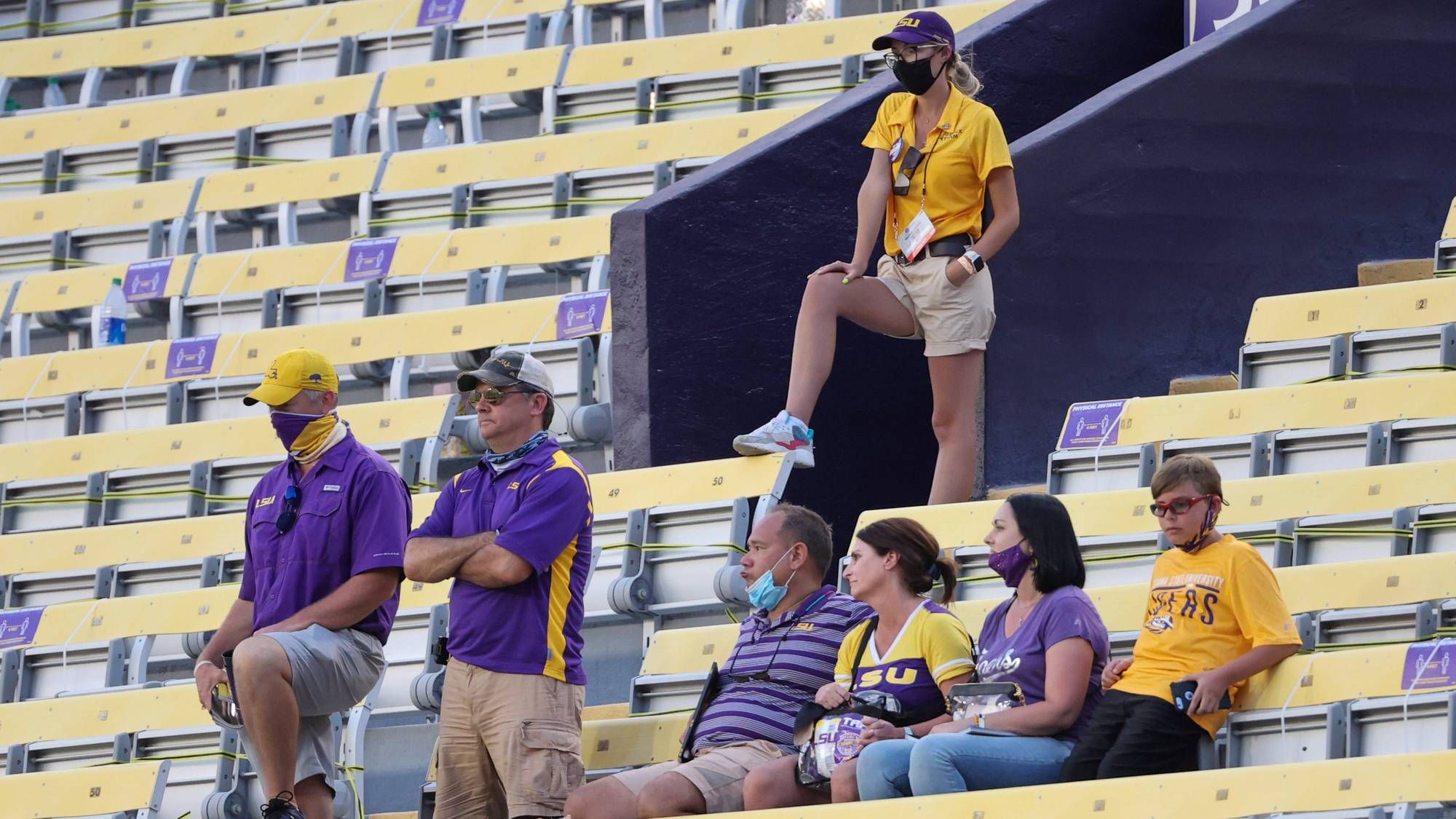
“Doc, there’s been some very interesting things occurring this past week with the New Orleans Saints reaching out to LSU about the possibility of playing in Tiger Stadium in the future,” Newell asked. “I was curious whether we'd had any studies done or had any experts evaluate the Superdome. It’s a huge volume, obviously, not like a banquet hall, it has a lot of airspace volume in there. To what degree does that facility present a challenge with 25,000 fans?”
“The Department of Health reviewed an analysis of reopening plans that was conducted at the direction of the Saints organization,” Kanter said. “They had two main experts there, one from Ochsner and another from an event management company. They did a very professional overview of what the plan would be, and the airflow was just one part of that. They talked a lot about ingress and egress, how to control the entrances, how to seat people in stages, keep them from congregating, how to sanitize, how to deal with concessions. It was clear the company that did this had the benefit of having done it in a number of places across the country… to me, what the biggest risk from a transmission standpoint would not be when people are sitting down, it would be when they’re on the ramps, going to the bathrooms, getting concessions. That’s probably where the biggest risk is and I imagine that’s more difficult to model.”
“Isn’t that the same risk most restaurants have? Undersized bathroom facilities? I mean if you start doing the math as to the number of folks and the square footage available in there, I have to think those would be pretty similar, right?” Newell continued.
“I think so, the concern is the sheer number of people,” Kanter said. “I don't know enough to say that the number of people that would be patronizing a certain section, like 310 for example, would equate to that. I would hope they could do it with a smaller number of people in that space, but the sheer number of people is really cause for concern.”
Hear the entire interview in the audio player below.