



52 old Carey Beck of Forest Park remembers when she got the wakeup call she says she needed.
"I was feeling moodier, having night sweats and I was feeling foggier. I felt a little slower. But I really didn't know I was in perimenopause. I got pneumonia and had a chest x-ray and when I looked at it, I saw something about my artery. That's weird, what? So I showed it to a friend who suggested I see a preventive cardiologist."
Turns out she had signs of early cardiovascular disease, something that can happen during perimenopause.
"I had no idea. I felt nothing heart related. It was February, 2025. It was a year ago this month that I saw a doctor. I was trying to determine what everything meant, I just knew it didn't seem right."
So, Beck went to see Dr. Priya Freaney, a preventive cardiologist at Northwestern Medicine.
"There's a huge connection between menopause and heart disease, really just women and heart disease," said Dr. Freaney who specializes in women's heart care and is an echocardiographer.
Heart disease is the number one killer of women in the United states. 1 in 3 deaths annual in the United States is due to heart disease. Over 400,000 women in the U.S die of heart disease.
"If you survey women in the U.S. and ask them what is your leading cause of death, less than half know that the answer is heart disease, many say cancer but if you look at the numbers almost ten times more people die of heart disease then breast cancer but the message isn't out there and the education is really lacking," she said.
Dr. Freaney says risk factors for heart disease accelerate during the menopausal period.
"Much of it is silent. Around the time of menopause, as we lose our natural estrogen, our blood pressure rises, our cholesterol rises. Two years before and after the final menstrual period, we have a dramatic rise in our total cholesterol, our LDL cholesterol, lipo protein B, or what we call bad cholesterol, she said.
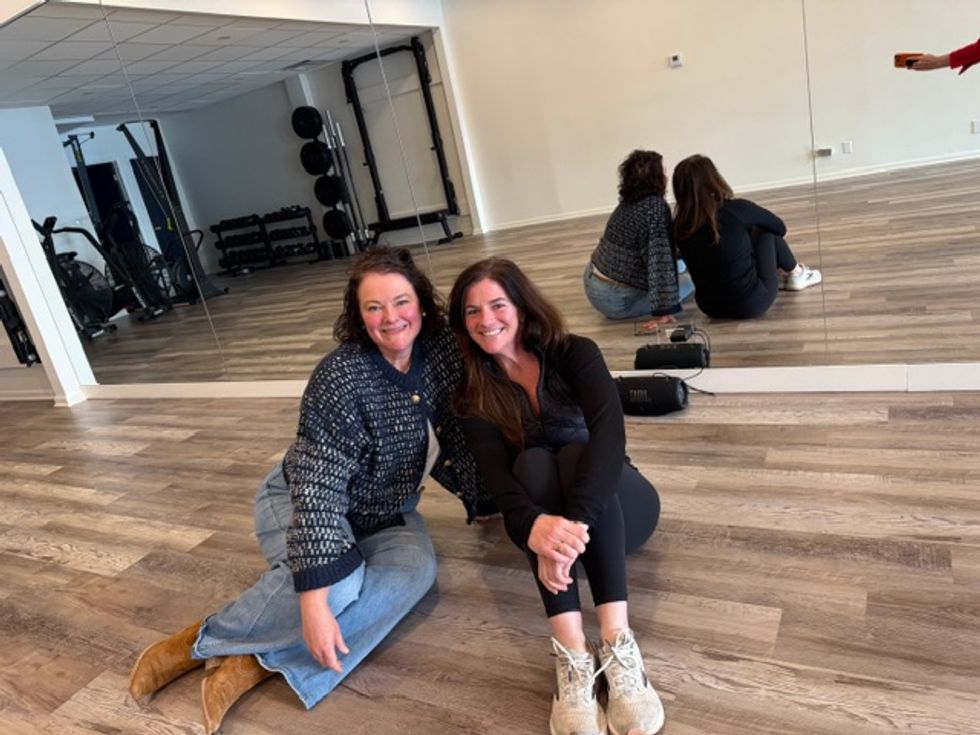
Carey Beck & her trainer Kate Butterly, Owner of K Butts, Forest Park
Lisa Fielding/WBBM Newsradio
"It's never too early, never too late to meet with a preventive cardiologist who specializes in women's heart care. We can always map out for you your numbers and your risk factors. What can be done? Know your numbers, you should know your blood pressure, your cholesterol numbers, you should know your hemoglobin, A1C, which predicts diabetes or pre diabetes. You should also know your goal weight or weight trends. Having an overall understanding of all these cardiovascular risk factors will help someone to keep on track during these very dynamic years during menopause when things are changing a lot year by year."
Dr. Freaney says the answer: get ahead of it.
"Have conversations to modify these risk factors. Decades before heart attacks or heart failure, are things that are happening largely silently happening that are slowly accumulating the risk that leads to these diseases," like high cholesterol, high blood pressure, smoking, diabetes, weight.
"Lifestyle is the first thing you can modify to lower these risk factors then, if needed, medications can be used to lower and modify the risk factors as well." Dr. Freaney adds, changes that include regular exercise, predominantly strength training and some cardio.
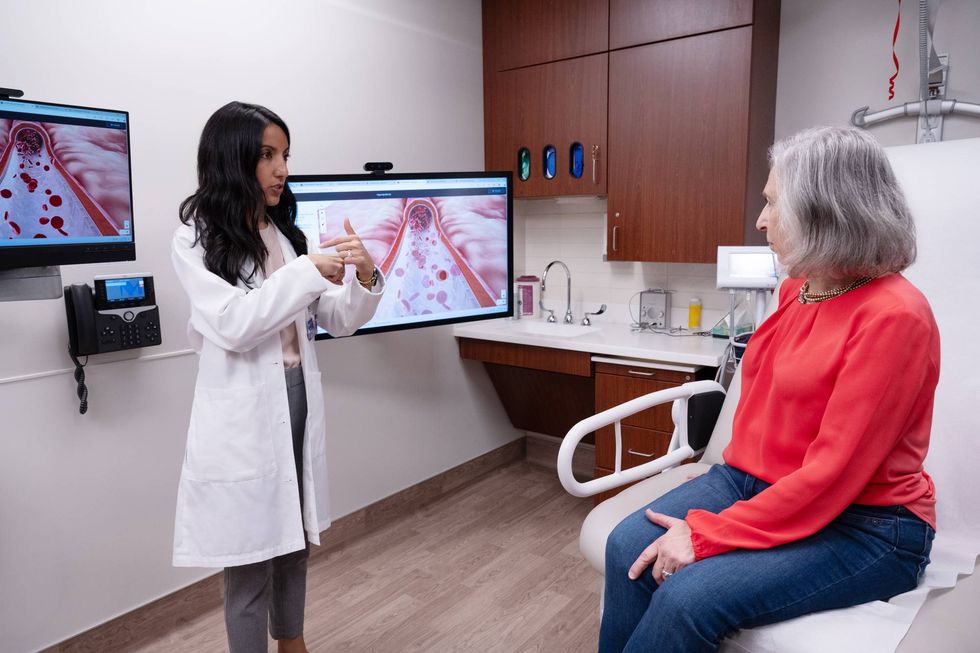
Dr. Priya Freaney, Cardiologist, Northwestern Medicine, talks with a patient inside the Bluhm Cardiovascular Institute
NM Media Relations
Beck took Dr. Freaney's advice and started to be proactive.
"I made some serious lifestyle changes. I'm so thankful that I had this wakeup call. Number one, I changed how I ate. Less red meat, less fast food, less fried food. I'm just more thoughtful about my eating. I forced myself to embrace an exercise program." she smiled.
Beck says this decision changed her life.
"I've lost 20 pounds. I feel better. I don't have heart disease now but I learned through talking to a preventive cardiologist, that I can do things now, to change my reality in 20 years. This is about longevity and sustaining a happy and healthy lifestyle for years to come." said Beck.
While she still battles perimenopause symptoms, she know now she needs to take better care of her heart and prioritize her health.
"It's the slow creep. Suddenly three things started to creep up: weight, blood pressure and cholesterol. I kept passively ignoring it. I just thought, well, it's just age," she recalled. "My health was coming number three after family and work."
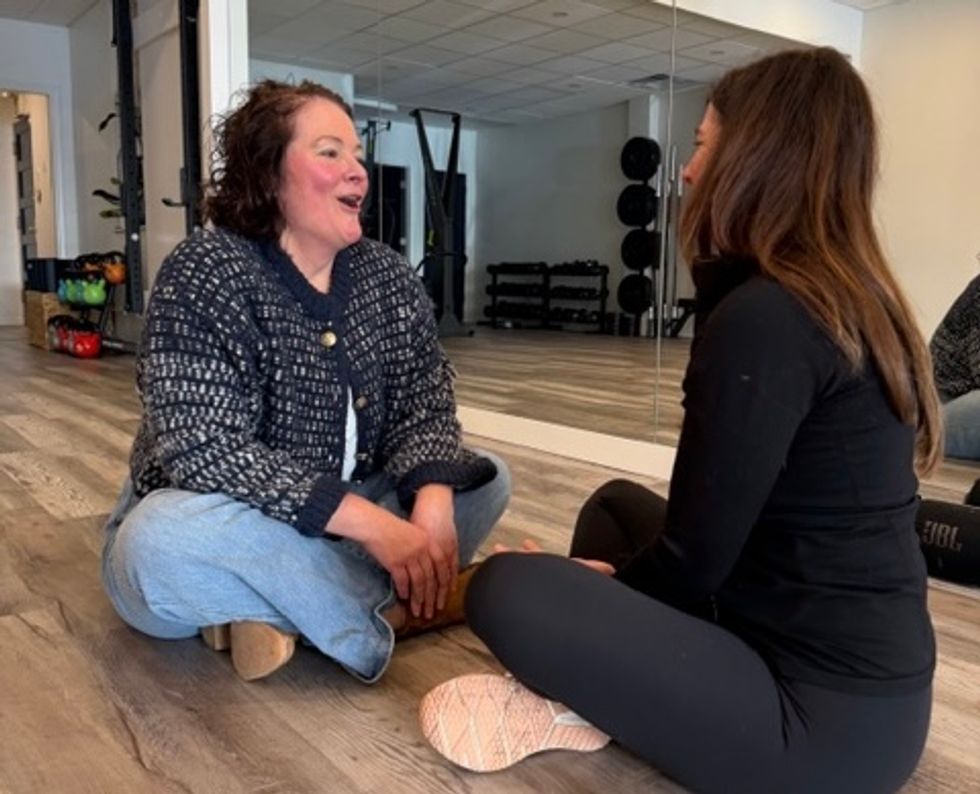
Carey Beck & her trainer, Kate Butterly, inside K Butts Studio, Forest Park where Beck works out
Lisa Fielding/WBBM Newsradio
Beck was lucky an x-ray indicated a problem taking a slow toll on her heart but not everyone knows what's happening so Dr. Freaney says women need to be proactive and be their own advocate before something more serious happens.
"Conversations like this help but there is so much more room for improvement. We have a long way to go to teach women what are the symptoms of heart disease, what are the risk factors of heart disease. 80% of heart disease is preventable. The early the better. Especially with this flavor of heart disease in women that builds slowly over the years. The average woman spends 40% of their lives in the post menopausal years and there is a lot of silent accrual of heart disease that happens over this time that leads 1 in 3 of them to die of heart disease. The earlier you identify your risk factors, the more time you have to implement a plan, where you live that many more years with a lower risk factor level," she said.
"Dr. Freaney helped me understand that heart disease is the number one killer of women and that no one talks about. No one talks about preventive heart health. We need to change that. " said Beck.
Coming up in Part 4 of our series, we look at why many women say their concerns are being dismissed, and why so many doctors are lacking in menopausal care.
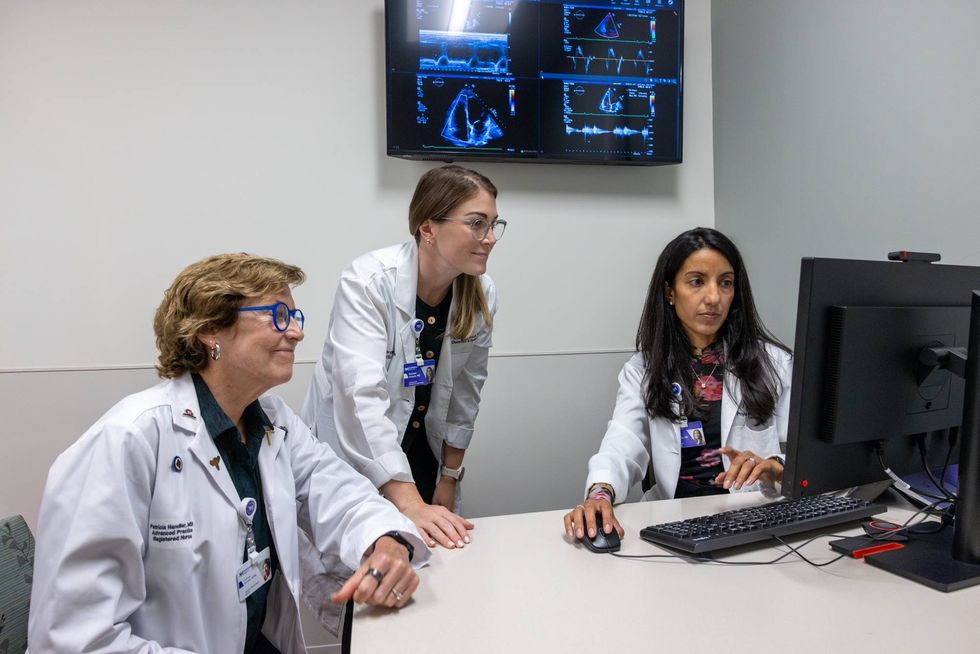
Patricia Handler, Dr. Kristen Venuti, Dr. Priya Freaney, Northwestern Medicine
NM Media Relations