


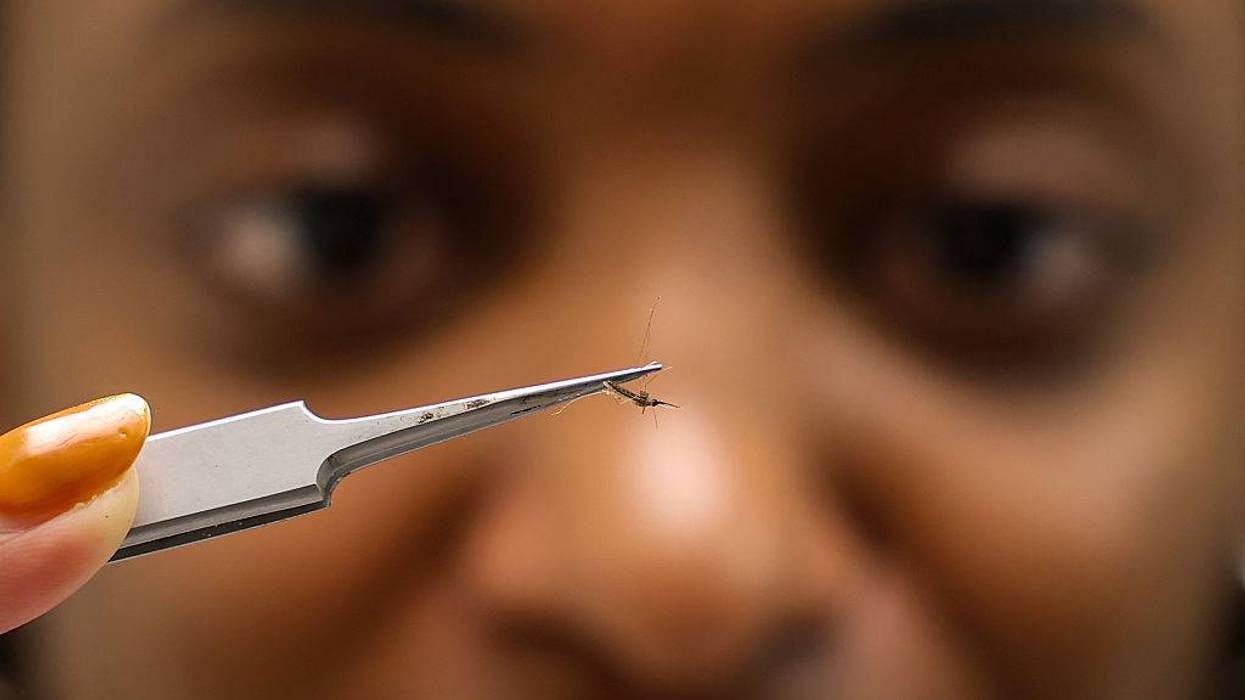

Google wants to release 32 million mosquitoes into certain areas in order to help drive mosquito populations down. Does that sound a little confusing? Perhaps a little worrisome? The details are important in this research.
The breed of mosquito being targeted is the southern house mosquito specifically, which is common in Louisiana and other warm, humid regions. The main reason for that focus is because that breed of mosquito is a well-known carrier for West Nile virus, encephalitis, and heart worms in dogs as well.
Aaron Ashbrook is Assistant Professor of Peri-Urban Entomology at LSU and says some very interesting studies are being conducted in California and Florida that could be applicable right here in Louisiana. “Essentially, the idea is that they’re going to take male mosquitoes (females are the only ones that do the biting) …and they’re going to expose these males to a bacterium called Wolbachia. If an infected mosquito mates with a female, the bacterium itself sterilizes the eggs. So, when the female mosquito lays those eggs, those eggs are not viable,” explained Ashbrook.
Ashbrook does note that there are other mosquito breeds in the area that will still bite pets and humans. However, he points out that those breeds do not carry the same diseases as the common southern house mosquito. So, if the program is successful, you may still get itchy from the bug bites … but, the threat of catching a dangerous disease because of those bites would plummet dramatically.
The Environmental Protection Agency would ultimately need to give final approval for wider implementation of this program. The results of the studies done in Florida and California will be crucial to the abatement mission moving forward.
The tech company aims to test a unique solution for disease spread
The tech company aims to test a unique solution for disease spread