


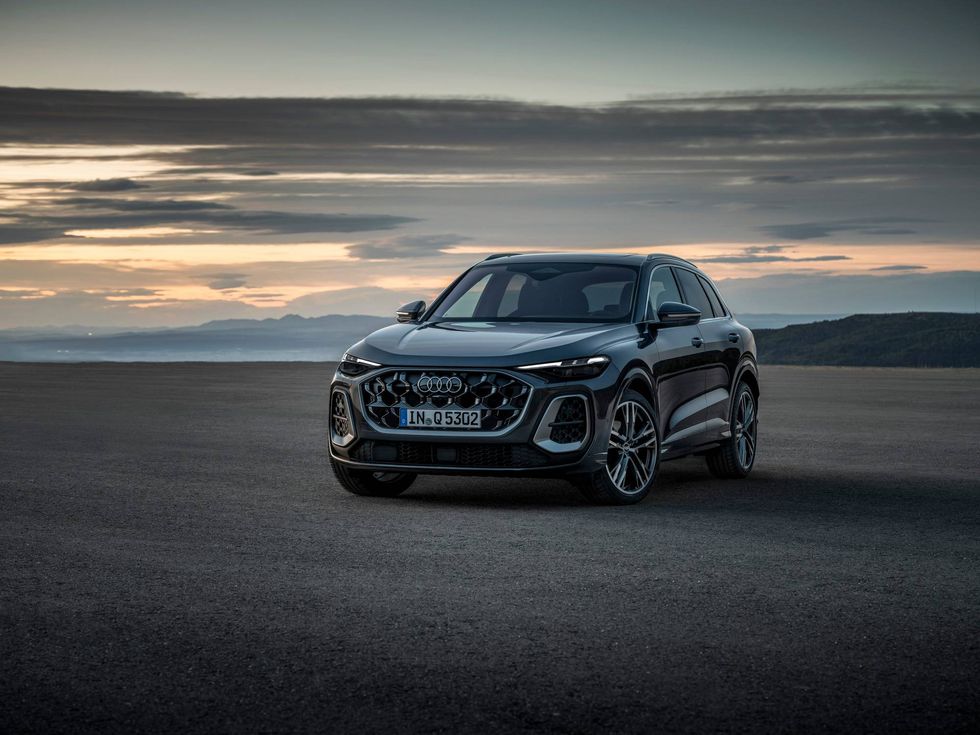
The third-generation 2025 Audi Q5 enters one of the most competitive segments in the market without attempting to redefine it. Instead of chasing dramatic styling or aggressive performance numbers, Audi refines its best-selling compact SUV with updated technology, improved ride composure, and subtle lighting enhancements. The result is a vehicle that feels deliberate rather than disruptive.
 Audi of America
For buyers comparing the BMW X3, Mercedes-Benz GLC, and Lexus NX, the Q5 positions itself as a balanced option rather than a segment dominator.
Ride and Drive
The Q5 is powered by a 2.0-liter turbocharged TFSI four-cylinder producing 268 hp and 295 lb ft of torque. TFSI stands for Turbocharged Fuel Stratified Injection, Audi's terminology for its turbocharged direct injection system. Power is routed through a 7-speed S tronic dual-clutch transmission to the standard quattro all-wheel drive.
On the road, the engine feels small but capable. It delivers smooth, confident acceleration without feeling urgent. The dual-clutch transmission shifts seamlessly and avoids the abrupt behavior sometimes associated with earlier dual-clutch systems. Around town and during highway merges, the Q5 feels composed and predictable.
 Audi of America
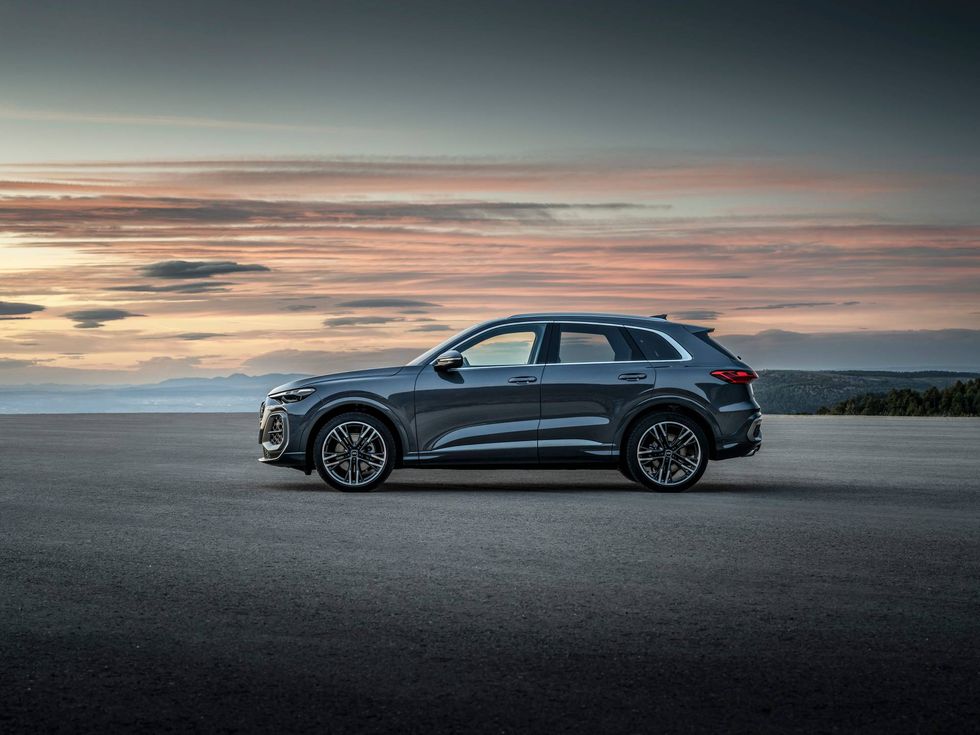
Adaptive air suspension on the Prestige trim is one of the more meaningful upgrades. Comfort mode softens rough pavement noticeably, while Dynamic mode firms the chassis without becoming harsh. The spread between modes is evident, and that flexibility gives the Q5 a wider usable range than some competitors.
Compared to rivals:
The BMW X3 generally feels sharper in steering response and more engaging dynamically.
The Mercedes GLC prioritizes ride isolation and comfort.
The Lexus NX emphasizes smoothness over engagement.
The Q5 fits between those personalities.
Fuel economy is rated at 25 mpg combined, which is competitive for a standard all-wheel drive luxury SUV in this class.
Technology
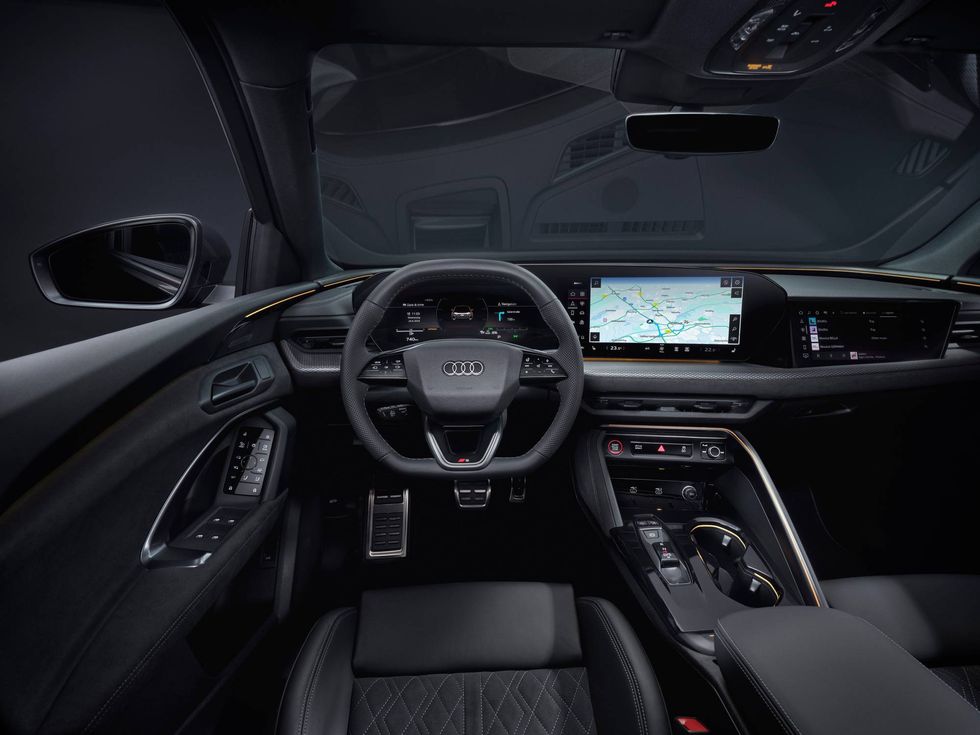
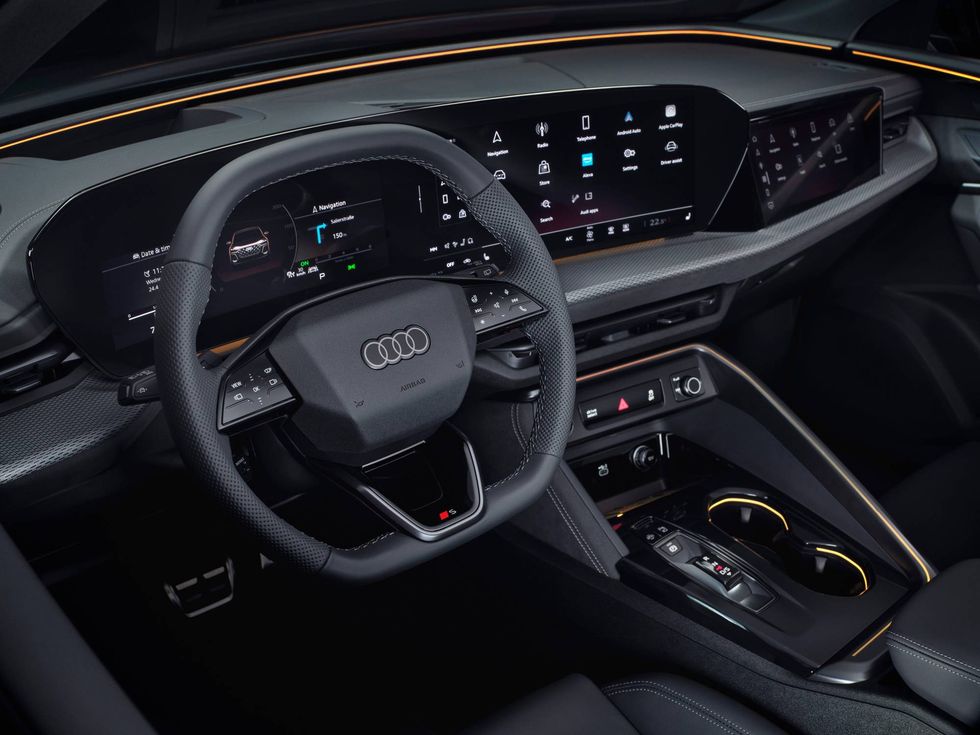
Audi structures the interior around what it calls the Digital Stage. The layout includes an 11.9-inch Audi Virtual Cockpit digital instrument cluster and a 14.5-inch curved OLED center display running Android Automotive software.
 Audi of America
The Virtual Cockpit allows drivers to configure navigation, media, and vehicle data directly in front of them. It remains one of Audi's defining interior technologies and still feels clean and legible.
The center touchscreen is responsive and modern, with integrated app capability beyond smartphone mirroring. The layout is logically organized and does not feel cluttered.
In Prestige trim, the Q5 adds a 10.9-inch passenger display. This screen allows the front passenger to search destinations, input navigation data, adjust media, browse compatible apps, and stream video content while the vehicle is in motion. Audi incorporates Dynamic Privacy Mode so moving images are not visible from the driver's seat, reducing distraction.
 Audi of America
In daily commuting, the passenger display may feel more like an optional luxury feature than a necessity. On longer trips, it can divide tasks between the driver and passenger in a useful way.
Additional tech highlights include:
• Head Up Display with expanded control functionality
• Bang and Olufsen 3D sound system rated at 685 watts
• Audi Assistant voice recognition
• Dynamic Interaction Light, a thin LED strip across the dash that communicates lock status, turn signals, and certain alerts
Compared to competitors:
Mercedes emphasizes visual impact and the drama of ambient lighting.
BMW's iDrive system remains intuitive and performance-focused.
Lexus keeps a more conservative, simpler interface.
Audi's execution feels modern without becoming overwhelming.
Lighting
Lighting continues to be one of Audi's distinguishing traits.
Available Matrix Design LED headlights adjust beam patterns automatically to maximize visibility while limiting glare for oncoming drivers. Daytime running lights can be configured with different digital signatures.
At the rear, available second-generation digital OLED taillights create a layered three-dimensional appearance and offer selectable light patterns. A full-width rear light strip enhances the visual stance.
Inside, contour ambient lighting runs across the dashboard and door panels. The Dynamic Interaction Light adds a layer of communication, subtly indicating locking, unlocking, and directional input. These lighting elements enhance the sense of modernity without appearing excessive.
Comfort and Practicality
Prestige trim adds ventilated front seats, heated rear seats, acoustic front side glass, a top-view camera, and Park Assist Plus.
Rear seat legroom is improved over the previous generation, though taller adults may still find it tight compared to the BMW X3. It is well-suited for toddlers and preteens. The sliding rear bench allows some adjustment between passenger space and cargo capacity.
Cargo space expands to 56.9 cubic feet with the seats folded, competitive within the segment though slightly below the X3.
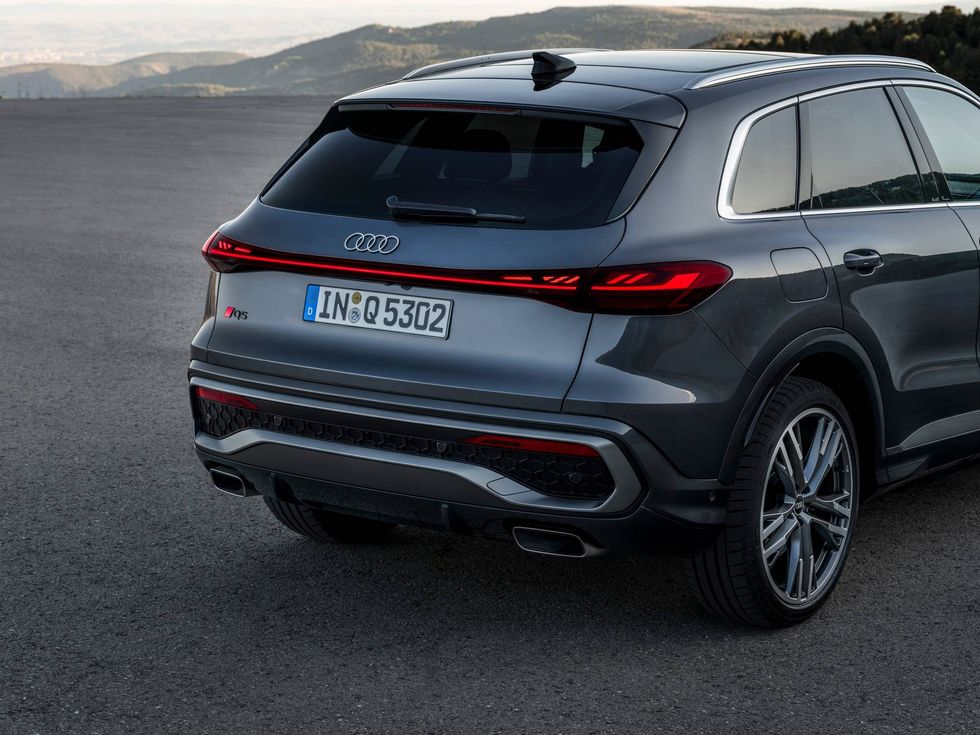 Audi of America
The Q5's overall footprint remains one of its strengths. It feels substantial without feeling oversized.
Safety and Driver Assistance
The Q5 includes a broad suite of driver assistance features:
• Adaptive cruise control
• Lane departure warning
• Traffic sign recognition
• Rear Turn Assist
• Active Front Assist integrates forward collision mitigation and cross traffic functions
These systems operate smoothly and generally intervene progressively rather than abruptly.
Where It Stands
As tested in the Prestige trim, pricing aligns with comparably equipped BMW and Mercedes competitors. Lexus may offer a lower entry point and hybrid alternatives, but with fewer advanced lighting and digital presentation elements.
The 2025 Audi Q5 does not attempt to outshine its rivals in any single category. It does not feel like the sportiest or the most dramatic option. What it offers instead is cohesion.
The engine feels strong enough.
The transmission feels smooth.
The suspension feels composed.
The technology feels current without feeling chaotic.
For buyers prioritizing a compact luxury SUV that balances performance, usability, and modern features, the Q5 competes on steadiness rather than spectacle.
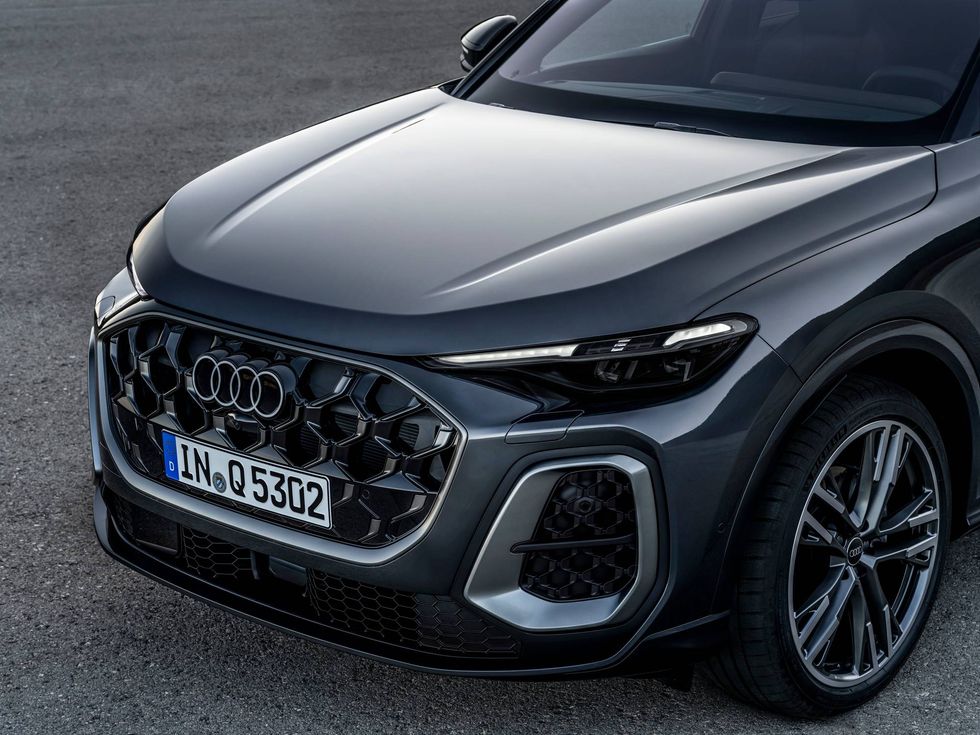 Audi of America
Trim Levels, Pricing, and Key Features
All 2025 Audi Q5 trims use the same base engine: a 2.0-liter turbocharged TFSI four-cylinder with 268 hp and 295 lb-ft of torque, paired to a 7-speed S tronic dual-clutch transmission and standard quattro all-wheel drive.
Premium — Base Trim
Starting MSRP: ~$52,200
Overview:
The Premium trim is the entry point in the 2025 Q5 lineup. It offers the essentials of the model's capability and comfort without many of the higher-end upgrades found on upper trims. It's a solid starting point if you want the core Q5 experience without optional equipment.
Included Features:
• Standard LED headlights and lighting
• 11.9-inch digital Audi Virtual Cockpit
• 14.5-inch MMI touchscreen center display
• Standard driver assistance systems
• Standard cloth or entry-level leather seating
• Quattro all-wheel drive
What You Get:
Basic luxury SUV features, all-wheel drive stability, and the new Digital Stage interface without many added convenience upgrades.
Premium Plus — Mid-Level
Starting MSRP: ~$56,700
Overview:
Premium Plus builds notably on the base trim by adding comfort, convenience, and visual upgrades. This trim is often considered the "sweet spot" because it improves several aspects of day-to-day use.
Key Additions:
• Panoramic sunroof (adds openness and cabin brightness)
• Larger alloy wheels (usually 19-inch) and exterior S line details
• Bang & Olufsen premium sound system available or included
• Top-view camera system for parking
• Surround view camera systems
• Heated front seats
• Additional lighting signatures/upgrade lighting options
• Navigation and more advanced infotainment features
What You Get:
More premium interior and convenience tech, better visibility assistance, and some aesthetic upgrades that make it feel more refined without reaching the top of the line.
Prestige (as Tested) — Top Luxury Trim
As Tested MSRP: $63,290.00
Overview:
Prestige is the most fully equipped non-SQ5 trim. It brings most optional tech and comfort features to standard, meaning less reliance on add-on packages.
Key Features Typically Standard on Prestige:
• Larger or upgraded wheels
• Adaptive air suspension
• Head Up Display (projects speed, navigation, and assist info into the driver's sightline)
• 10.9-inch passenger display (passenger-side screen capable of navigation input, media control, and some app interaction while the vehicle is in motion)
• Ventilated front seats
• Heated rear seats
• Acoustic front side glass for a quieter cabin
• Advanced driver assist features are more fully enabled
What You Get:
Most premium tech and comfort upgrades are available for the Q5 short of moving to the performance-oriented SQ5. The passenger display and adaptive air suspension are two of the more noticeable features that differentiate Prestige from Premium Plus.
Additional Notes
Packages and Options
Some features can also be added via packages on lower trims (e.g., lighting packages, warmed weather packages, surround view camera).
Pricing Context
Pricing varies with options, color, wheel choice, and accessories. The figures above represent typical base MSRPs for each trim without added packages, taxes, or destination charges.
Beyond the Standard Q5
There is also the SQ5, which is a higher-performance variant of the Q5 lineup with a V6 engine and sport-oriented tuning. That trim family goes through the same Premium / Premium Plus / Prestige structure but with distinct powertrain and tuning.
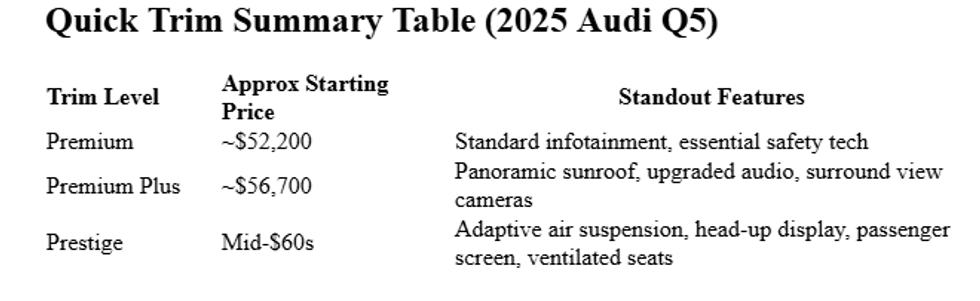 Daryl Killian


![Detillier on Falcons' QB room: "You didn't bring [Tua] in to watch"](https://www.audacy.com/media-library/image.jpg?id=65304785&width=1245&height=700&quality=70&coordinates=0%2C0%2C0%2C0)